Polyurea Garage Floor Systems - Why They Outperform Standard Epoxy
What Makes Polyurea Different
Why This Matters More for Chicago Garages
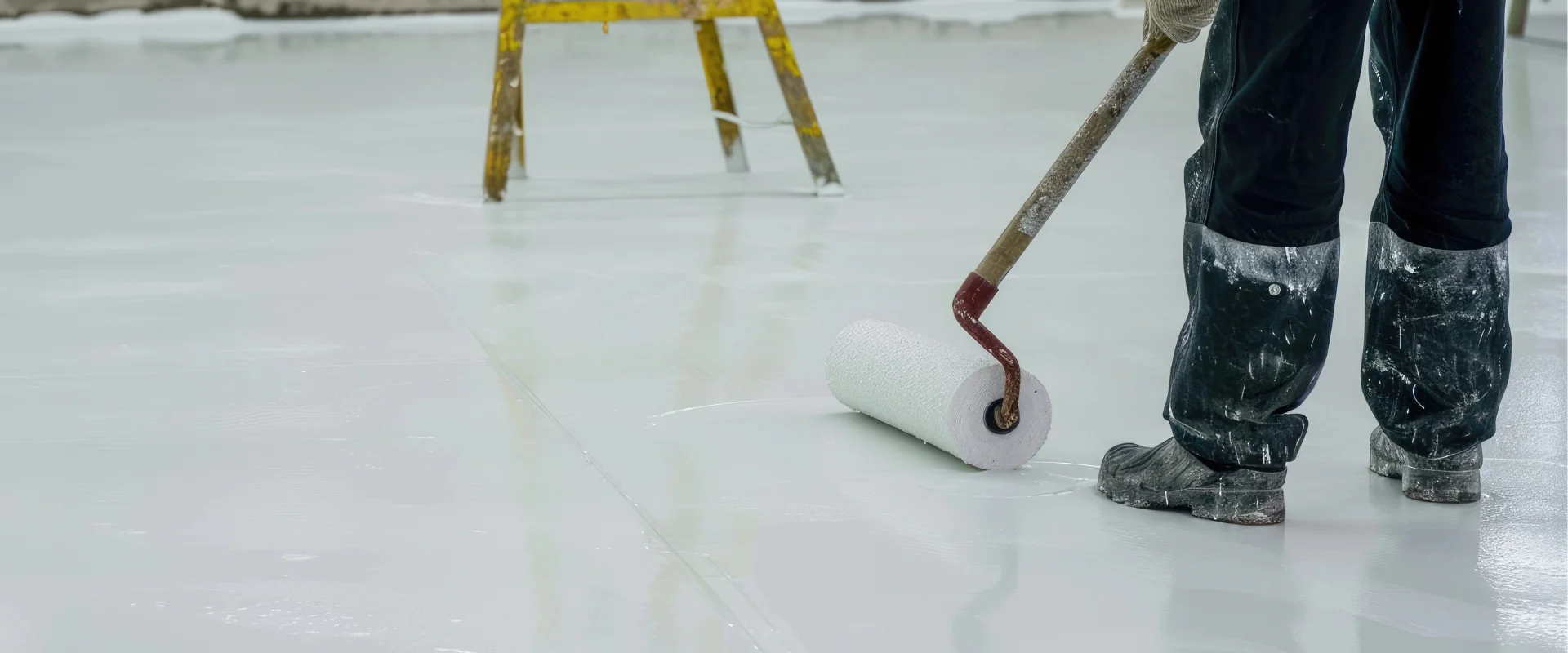
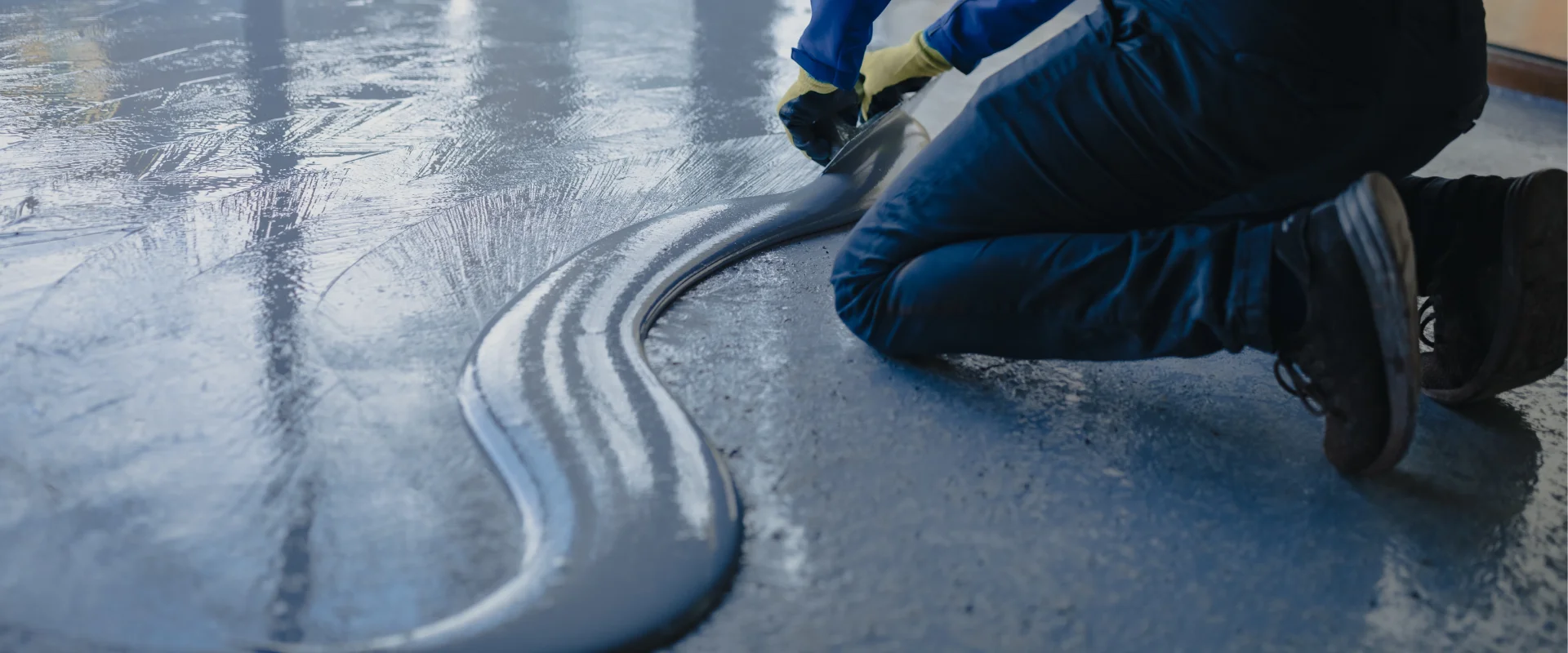
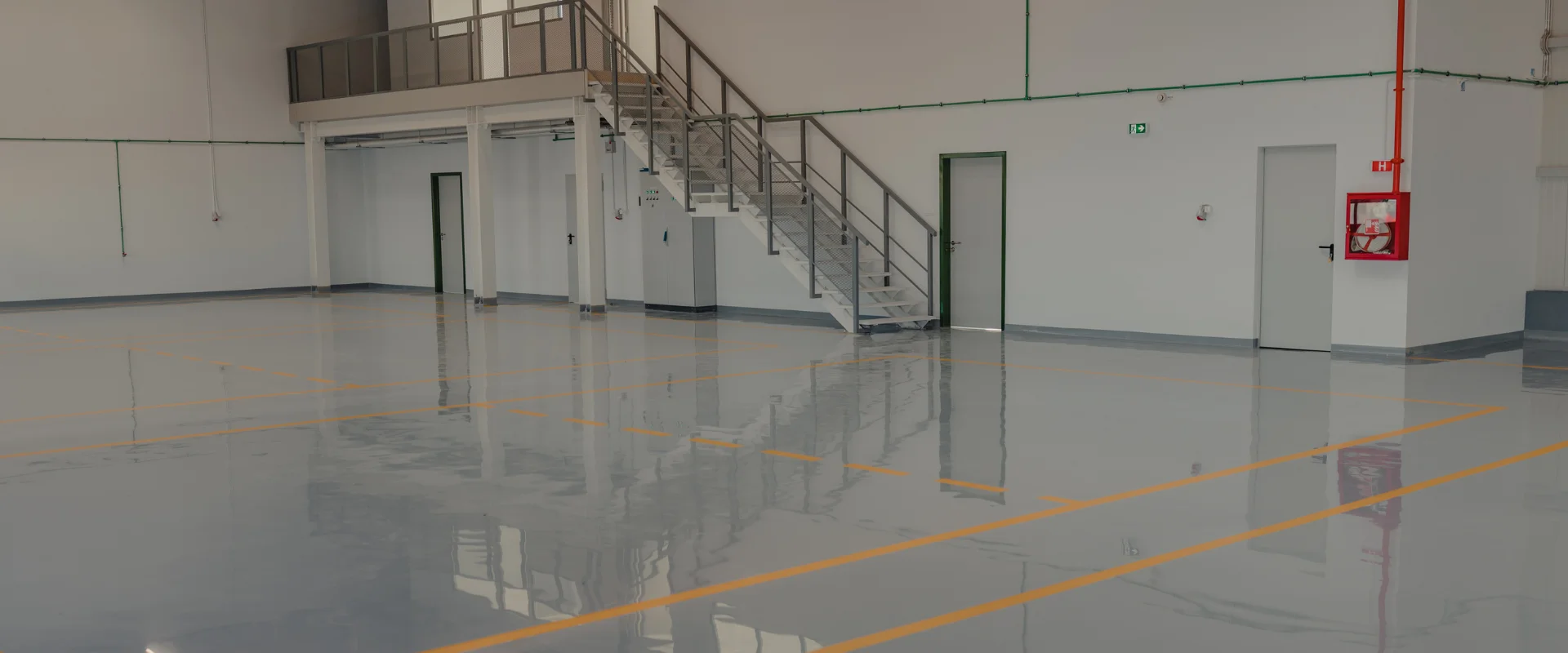
Polyurea is a fast-curing, highly flexible coating that bonds to concrete and creates a seamless, chemical-resistant surface - but the real difference from standard epoxy shows up in how it behaves once it's down. Polyurea flexes as the slab expands and contracts with temperature, which means it resists the cracking along the bond line that rigid coatings develop over repeated freeze-thaw cycles. It also cures dramatically faster, often ready for light use within hours rather than the days a standard epoxy system requires.
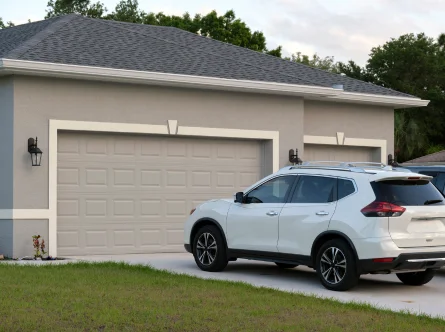
A Chicago garage floor goes through more stress in a single winter than most concrete sees in years. Road salt and melting snow get tracked in on every vehicle for nearly five months, and that exposure combines with a freeze-thaw cycle that repeats dozens of times each season to attack any coating that isn't built to flex with the slab underneath it. A rigid system installed without that flexibility in mind cracks at the bond line within a season or two - exactly the failure pattern we see most often on improperly specified garage coatings across the region.
This is precisely why polyurea has become the standard recommendation for garage floors in this climate rather than a premium upsell. Its flexibility and fast cure aren't just convenience features - they directly address the two biggest threats a Chicago garage floor actually faces: freeze-thaw cracking and the downtime a homeowner or business can't always afford during installation.






 847-770-5278