Trusted Team

Local Professionals

Concrete Epoxy Coatings in Chicago & Chicago North Suburbs, IL

Bare concrete absorbs everything that touches it - oil, moisture, salt, and stains - and that absorption is what drives most of the cracking, dusting, and discoloration we see on uncoated floors across the region. Altrus installs concrete epoxy coatings that seal that porosity for good, turning a vulnerable slab into a durable, easy-to-clean surface built to last.
GET A FREE QUOTE

Concrete Epoxy Floor Systems — What Makes Epoxy the Right Choice

How Epoxy Actually Protects a Slab
Why Epoxy Matters More in This Region
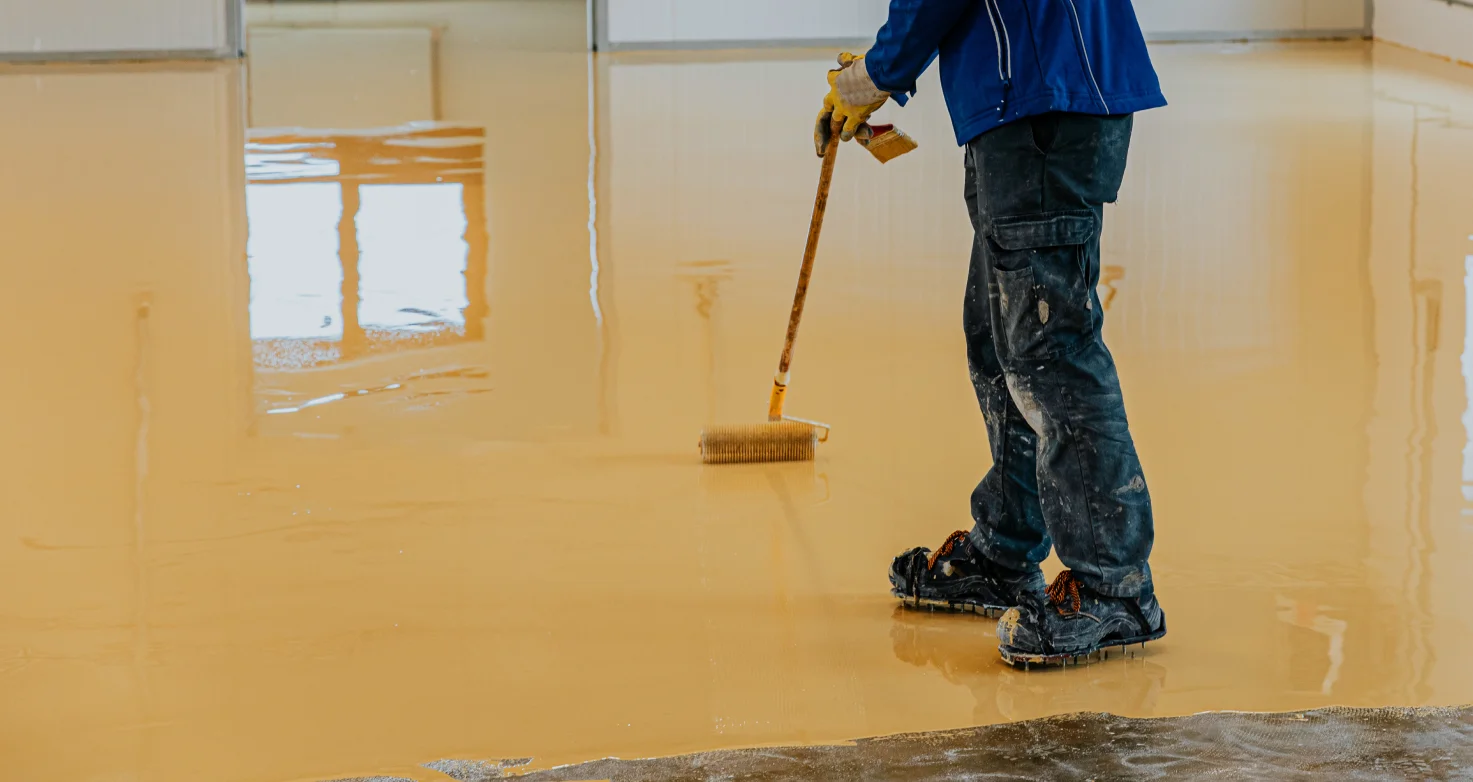
Epoxy bonds directly to concrete and cures into a hard, seamless surface layer that chemicals, oil, and moisture sit on top of instead of soaking into. That seamless quality is what separates a coated floor from bare or painted concrete - there are no grout lines, no porous gaps, and no seams where contaminants can collect and gradually break the surface down. Once the epoxy cures, the slab underneath it is protected from the wear and chemical exposure that would otherwise drive cracking, staining, and surface dusting over time.

Chicago and the North Shore put concrete through conditions that accelerate deterioration faster than in milder climates - freeze-thaw cycling that repeats dozens of times each winter, road salt tracked into garages for nearly half the year, and humidity swings between a damp spring and dry winter that stress any unprotected surface. Unsealed concrete absorbs that moisture and chemical exposure directly, and the resulting internal stress is what produces the cracking, pitting, and dusting so common on uncoated floors throughout the region.

This is exactly why epoxy remains a foundational coating choice here rather than a cosmetic upgrade. A correctly specified epoxy system gives a garage floor, basement slab, or commercial floor a sealed, chemical-resistant surface that's built to handle this specific climate, not a generic spec pulled from a milder region where freeze-thaw and salt exposure simply aren't factors.

6 Reasons to Use Concrete Epoxy Coating

  • Seamless, easy-to-clean surface
  • Resists oil and chemical stains
  • Withstands heavy foot and vehicle traffic
  • Brightens and finishes the space
  • Cost-effective long-term protection
  • Available in multiple finish options

6 Places Concrete Epoxy Coating Gets Used

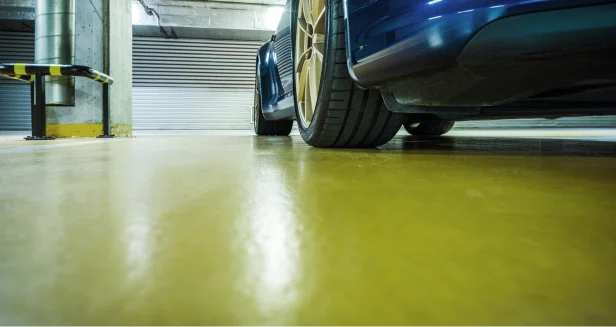
  • Residential garage floors
  • Basement and below-grade slabs
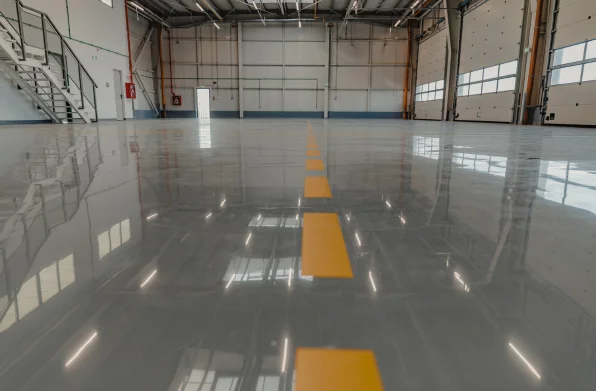
  • Commercial and warehouse floors
  • Workshop and utility spaces
  • Covered patios and porches
  • Retail and showroom floors
847-770-5278
ADVANTAGES

4 REASONS TO CHOOSE ALTRUS

Homeowners and property owners across Chicago and the North Shore choose Altrus because we specify every epoxy system for the slab's actual condition, not a one-size-fits-all product. Here's what that looks like in practice.
01
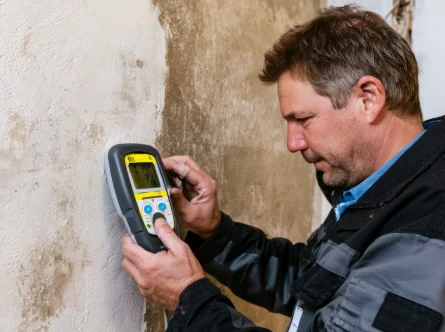
Moisture testing before every project
02
Coatings matched to specific use
03
Local crews who know Chicago conditions
04
Written workmanship and material warranty

Why Concrete Epoxy Coating Pays Off Over Time

A concrete epoxy coating is one of the few property improvements that pays for itself in damage it prevents rather than features it adds. Bare concrete absorbs oil, moisture, and salt continuously, and each of those exposures drives a different failure mode - chemical staining, freeze-thaw cracking, and surface dusting that all compound the longer a slab goes unprotected. Sealing the surface with epoxy interrupts that cycle before it has the chance to start, which is a fundamentally different approach than repairing each symptom separately as it appears.

The freeze-thaw factor makes this especially relevant in Chicago. A slab that absorbs moisture during a fall rain and then cycles through repeated freezing all winter is under constant internal stress whether or not the damage is visible yet. By the time cracking or dusting becomes noticeable, the underlying concrete has often already been compromised for several seasons - which is why proactive sealing tends to cost far less than reactive repair down the line.

Epoxy vs. Other Coating Systems

Epoxy remains the right choice for a meaningful share of the projects we run, particularly in conditioned interior spaces with stable temperatures and limited UV exposure - basements, enclosed garages, and covered commercial floors chief among them. It bonds well, resists most chemicals and abrasion effectively, and costs less than faster-curing alternatives like polyurea or polyaspartic, making it a sound default wherever those systems' speed and flexibility aren't the deciding factor.

Where epoxy gives way to other systems is mainly downtime and outdoor exposure. Polyaspartic and polyurea cure faster and flex better through temperature swings, which matters for projects with limited tolerance for installation downtime or surfaces exposed to direct sun and freeze-thaw cycling outdoors. Epoxy's slower cure and lower UV stability make it a less reliable choice for fully exposed patios or commercial garages that can't afford extended closures.

The decision ultimately comes down to the same questions on every project: how the space is used, how much sun and temperature swing it experiences, and how much downtime the property can tolerate. Epoxy answers those questions well in a wide range of common conditions, which is why it remains part of our standard system lineup rather than something we steer customers away from by default.

What Causes Epoxy Coatings to Fail Early

Most early epoxy failures we get called out to address trace back to a handful of preventable causes. Skipping moisture testing before installation is the most common - applying epoxy over a slab with elevated moisture vapor emission traps that moisture beneath the coating, leading to bubbling and delamination within the first year regardless of how well the topcoat itself was applied.

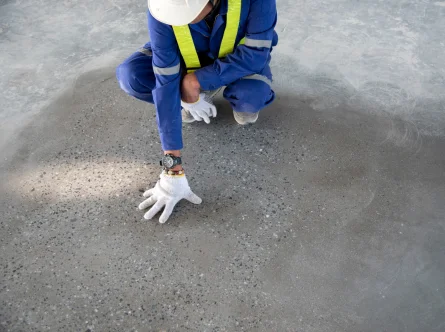
Inadequate surface preparation is the second major cause. Coating directly over old sealer, efflorescence, or surface contamination without diamond grinding first guarantees a weak mechanical bond that fails under normal foot or vehicle traffic far sooner than a correctly prepped surface would. The third cause is rushing the cure schedule - returning a floor to use before the epoxy has reached full strength is one of the fastest ways to undermine an otherwise correctly specified system.

Other Altrus Services Across Chicago and the North Shore

Concrete epoxy coating is the foundation behind several of the specific spaces Altrus works on across the region. We install dedicated basement floor coating systems engineered for below-grade moisture conditions, along with full warehouse floor coating for distribution centers, manufacturing plants, and logistics facilities.
Whatever the space, the same moisture-testing and surface-preparation process determines which epoxy specification actually fits the job - we don't apply a single default product across every floor type regardless of how different the underlying conditions actually are.

Serving Chicago and the North Suburbs With Epoxy Coatings

Altrus installs concrete epoxy coatings throughout Chicago and the North Shore suburbs, including communities like Addison, Carol Stream, Schaumburg, and Elk Grove Village.
Slab age, soil drainage, and building use vary across this footprint, which is part of why we assess every project individually rather than applying a single regional default to every floor. An older home near Addison with original basement concrete may face a different moisture profile than a newer commercial build a few towns over, and that difference shows up directly in which epoxy primer and topcoat combination we recommend.

Property owners searching for concrete epoxy in Addison throughout this area can request an on-site assessment directly with our team, with no obligation attached to the visit itself.

How We Specify the Right Epoxy System

Choosing the correct epoxy specification starts with the slab itself, not a generic product line. We test moisture levels, evaluate existing cracking or contamination, and assess how the space gets used - vehicle traffic, foot traffic, chemical exposure - before recommending a specific primer, base coat, and topcoat combination. A basement with elevated groundwater moisture calls for a different epoxy system than a dry, conditioned commercial showroom floor, and treating both the same way is how epoxy projects underdeliver on durability. The specification gets built around your space, not pulled from a standard template applied to every job.

Maintaining an Epoxy-Coated Floor

A properly installed epoxy floor needs very little upkeep to stay in good condition for years. Routine sweeping and an occasional mop with a mild detergent handle most dust and debris, and spills wipe up easily since the sealed surface gives them nowhere to soak in. Avoid harsh ammonia-based or abrasive cleaners not rated for epoxy, since the wrong product can dull the topcoat's finish over repeated use. Beyond that, an epoxy floor requires no special seasonal care to keep performing the way it did on installation day.
FAQ

Popular Questions About Epoxy Floor Coating

How long does a concrete epoxy coating last?
A correctly installed epoxy system can last 10-15 years or longer with proper surface preparation and basic maintenance, depending on the specific traffic and chemical exposure the floor sees.
Can epoxy be installed over an existing cracked floor?
In most cases, yes. Cracks and joints are repaired during surface preparation before any coating is applied, which is a standard part of every epoxy project we run.
Will epoxy work in a basement with moisture issues?
It depends on the moisture reading, which is why we test every slab before recommending a system. Some moisture levels call for standard epoxy; higher readings call for a vapor-tolerant alternative.
How long before I can use the floor after coating?
Most epoxy systems need a few days before full traffic resumes, depending on the specific product and conditions during installation. We confirm the realistic timeline during the site assessment.
Is epoxy slippery when wet?
Not when specified correctly. We include slip-resistant texture in any epoxy system installed where the surface regularly gets wet, such as covered patios, basements prone to moisture, or commercial entryways.
What's the difference between epoxy and polyaspartic coatings?
Epoxy costs less and performs well in stable, conditioned spaces with limited UV exposure. Polyaspartic cures faster and holds up better outdoors or in spaces that can't tolerate extended downtime.
Do you install epoxy in both residential and commercial spaces?
Yes, we install concrete epoxy coatings in garages, basements, workshops, warehouses, and commercial floors, specifying each system based on the space's actual use and exposure.
TESTIMONIALS

Clients Share Their Experience Working with Altrus

We invite you to browse through our reviews and see firsthand experiences from our satisfied clients. Your trust is our priority, and these testimonials reflect our commitment to outstanding warehouse floor coating results.
Anna K.
Our salon needed new flooring, and their salon & spa floor coating in Schaumburg, IL turned out perfect. Clean and professional.
Emily S.
ALTRUS installed a metallic epoxy floor in our home gym—honestly looks like a showroom now. Very happy.
David L.
Great experience with their patio concrete coating in Elgin, IL. The outdoor area looks fresh and feels much safer.
Jessica R.
We upgraded our basement with an epoxy basement floor in Addison, IL, and it completely changed the space. Highly recommend!
Mark T.
Had ALTRUS do my garage floor covering epoxy in Deerfield, IL, and it looks amazing. Clean finish and super easy to maintain now.
Looking for a Epoxy Floor Coating Company?
Contact our team of on-site specialists for all your needs