Outdoor projects rarely stop at the slab. A coated patio or pool deck usually meets paver walkways, borders and steps, and those areas get prepared alongside it. We start with a full paver cleaning that lifts dirt, moss, algae, oil drips and efflorescence, the white chalky haze that rises out of concrete pavers in spring.
Next, old sand, weeds and debris come out of the joints. We sweep in polymeric sand, compact it and activate it with a light mist, so the joints set firm, resist weeds and ants, and stop washing grit onto the coated surface next to them.
Once the joints have cured, a protective sealer goes over the pavers. It slows water absorption, makes stains easier to clean and brings back color depth, so the old pavers and the new coating read as one finished space. The sealer stays on the pavers only: epoxy and
patio and outdoor concrete coatings always go onto bare, ground concrete, never over a sealed surface.
What Happens When Epoxy Goes Over an Unprepared Surface
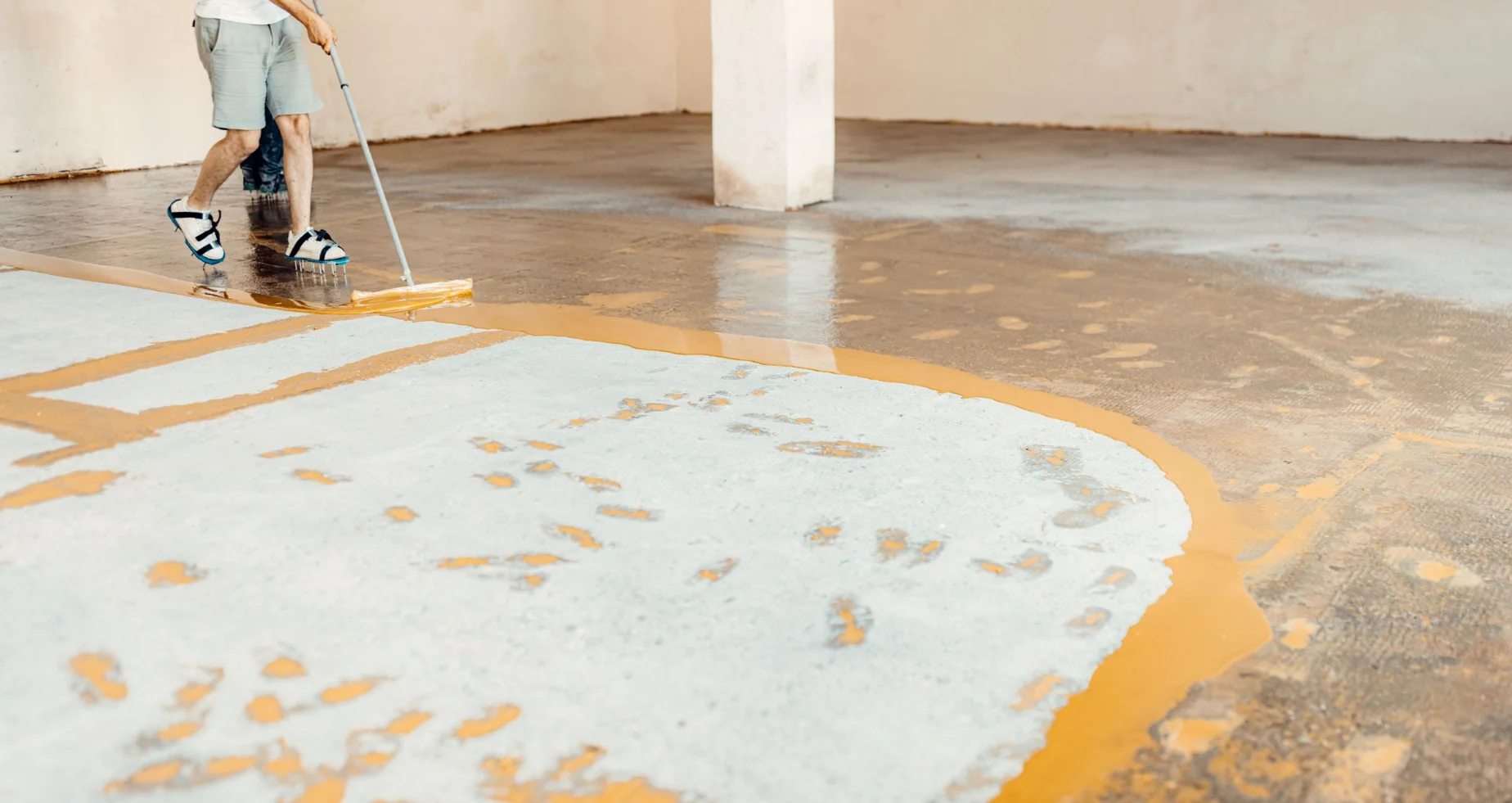
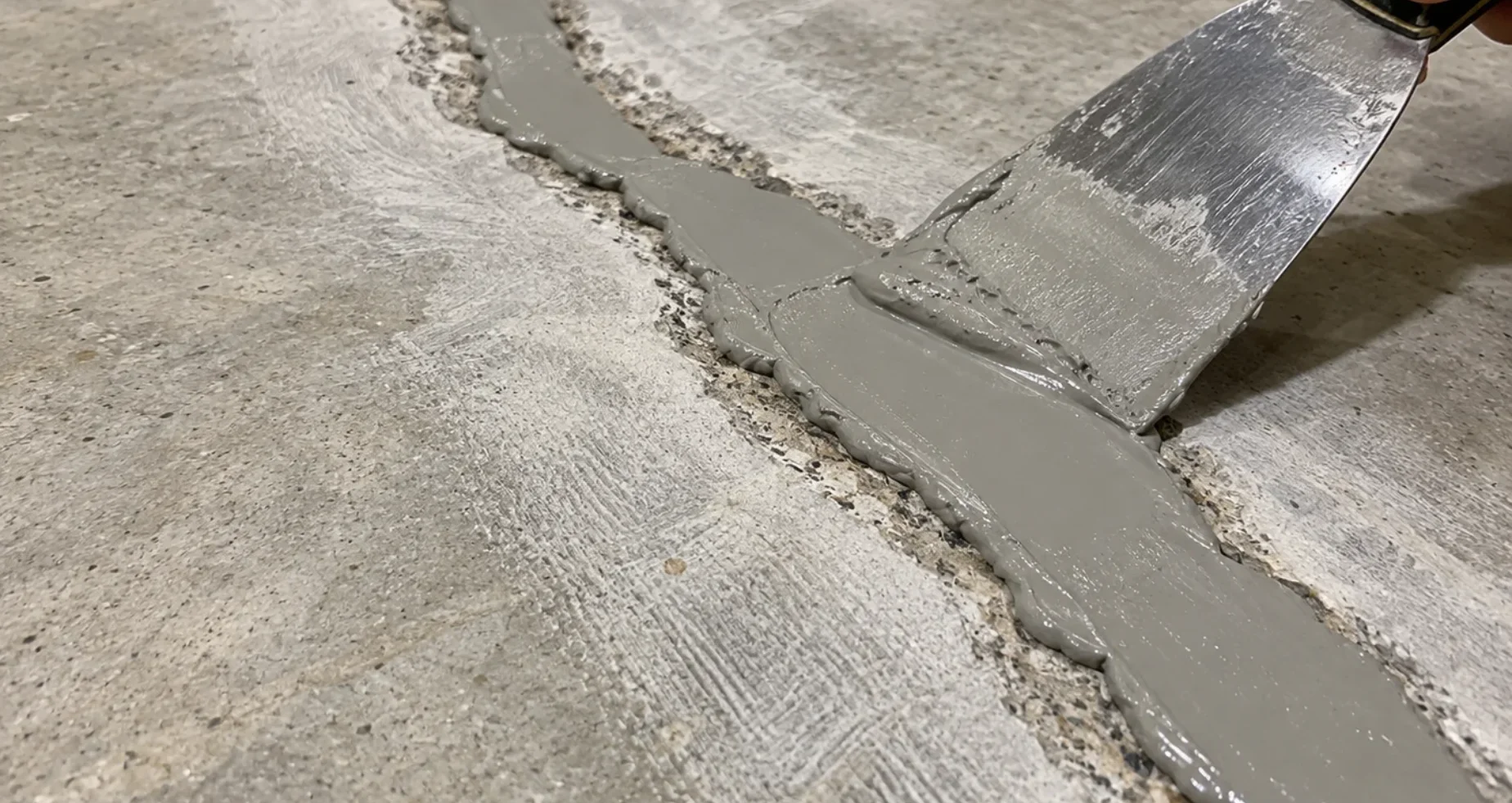
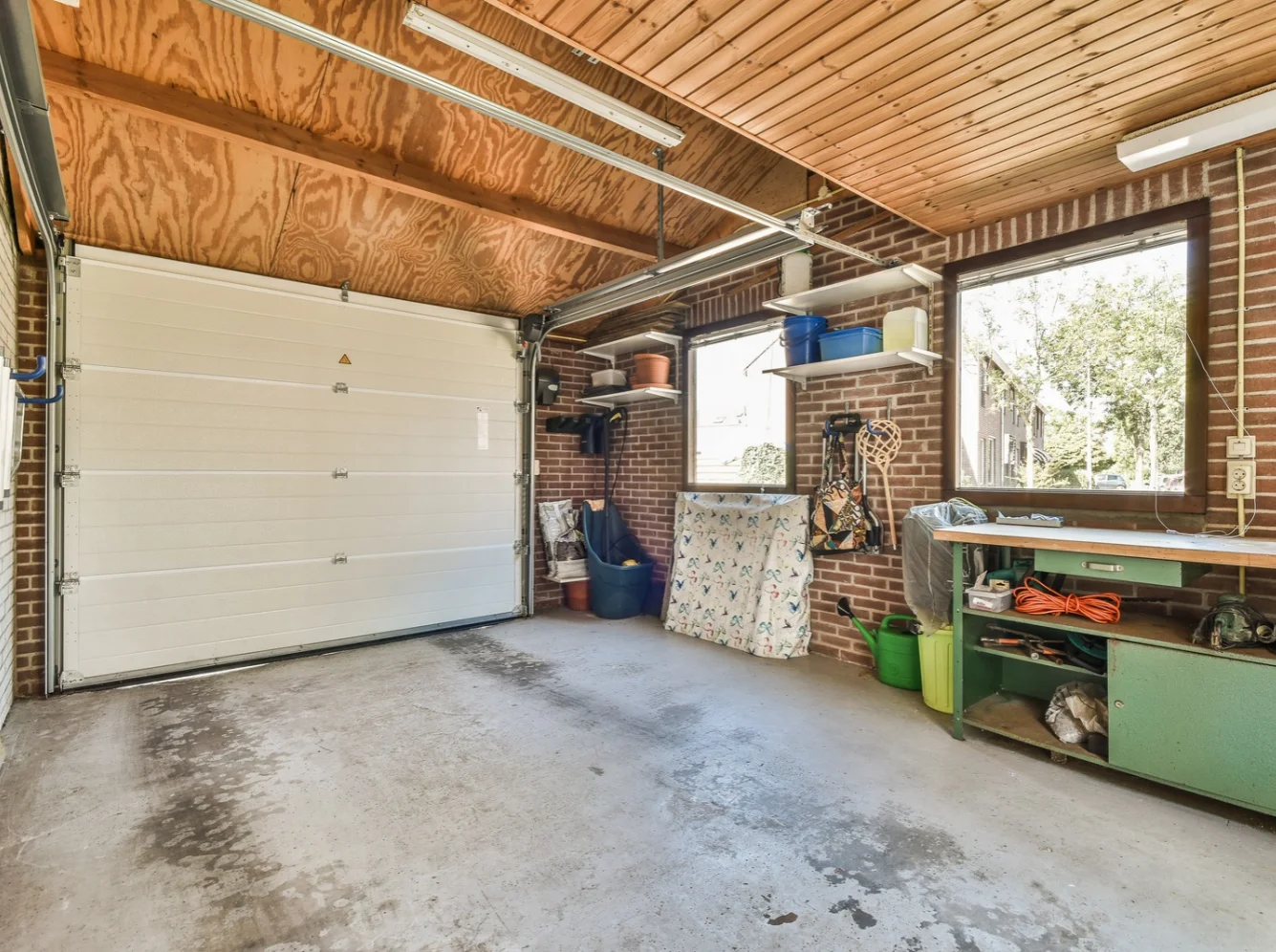
Coatings that fail early almost always fail at the surface. A slab that was only acid-washed or rolled lets the epoxy peel in sheets under hot tires. Untested basement slabs push moisture up and raise bubbles and blisters. Oil and salt left in the concrete show up as dark spots that lift first, and cracks coated over instead of repaired reappear in the new floor within a season.
Outside, washed-out paver joints next to a new patio coating keep shedding sand and grit that scratches the fresh surface. Fixing any of these means grinding the failed coating off and starting again, which costs more than preparing the surface properly the first time. If your current floor already shows these signs, our
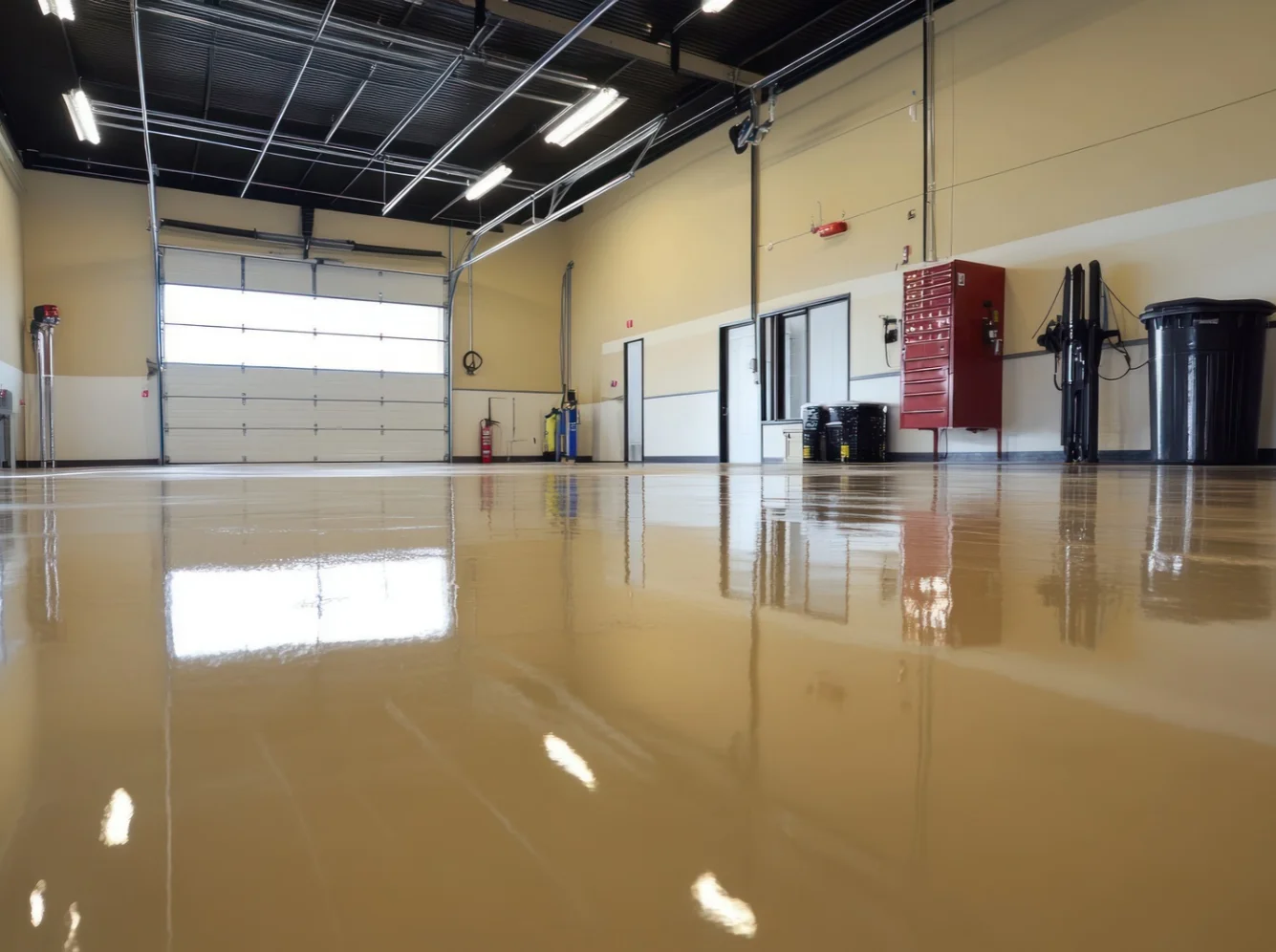
epoxy garage floor resurfacing starts with full removal of the old layer.





 847-770-5278
