Trusted Team

Local Professionals

Garage Floor Coating in Chicago & Chicago North Suburbs, IL

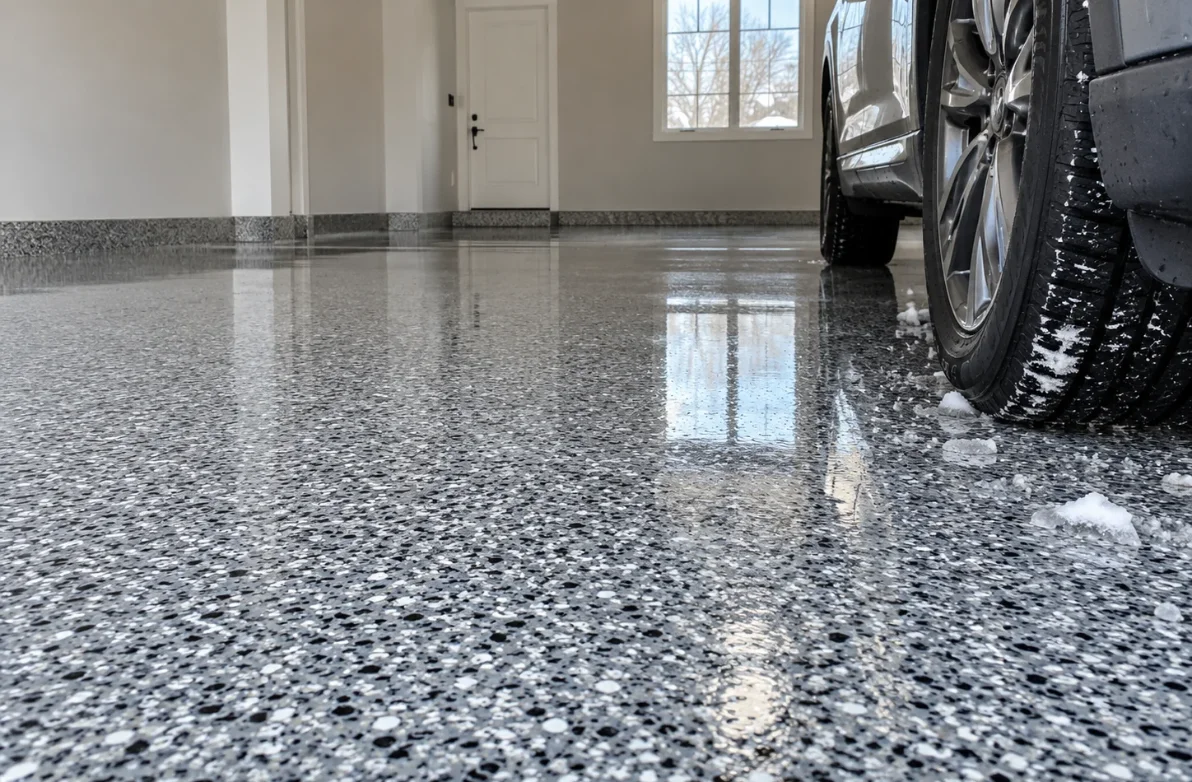
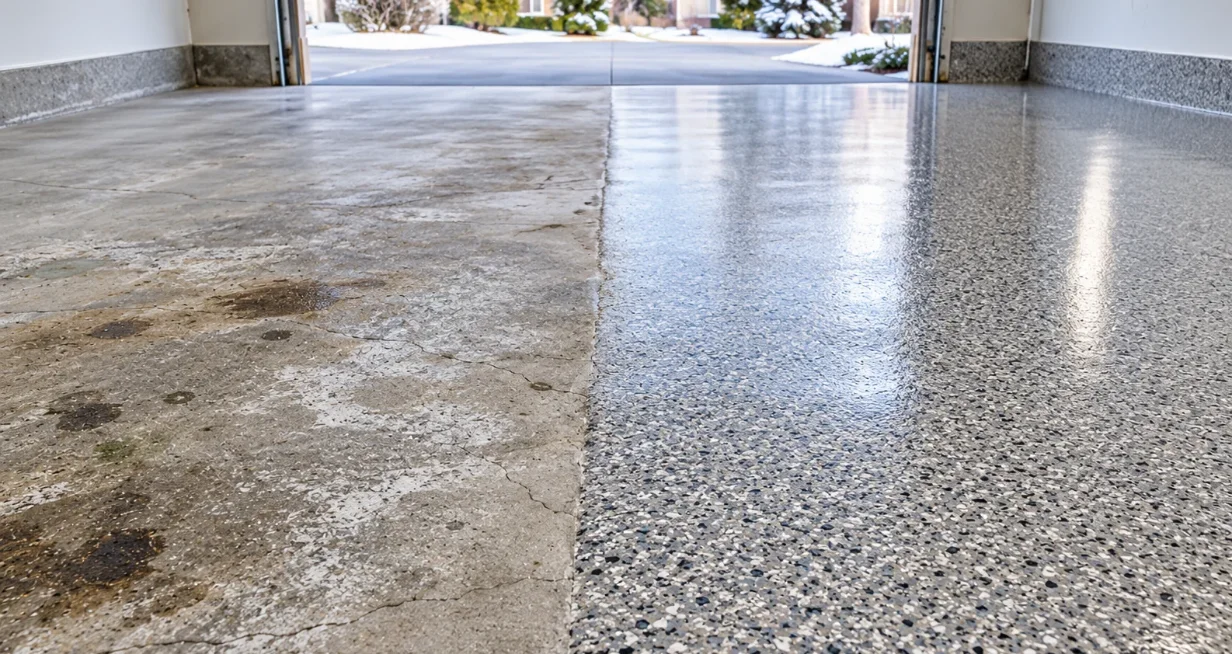
A garage floor in Chicago takes on more abuse in a single winter than most concrete sees in a decade - road salt, melting snow, oil drips, and constant temperature swings. Altrus installs garage floor coating systems built specifically to handle that, turning a cracked, stained slab into a durable surface that actually holds up.
GET A FREE QUOTE

Epoxy Coating Garage Floor Systems — Built for Local Conditions

What Makes a Coated Garage Floor Different
Why This Matters More in Chicago Than Almost Anywhere Else
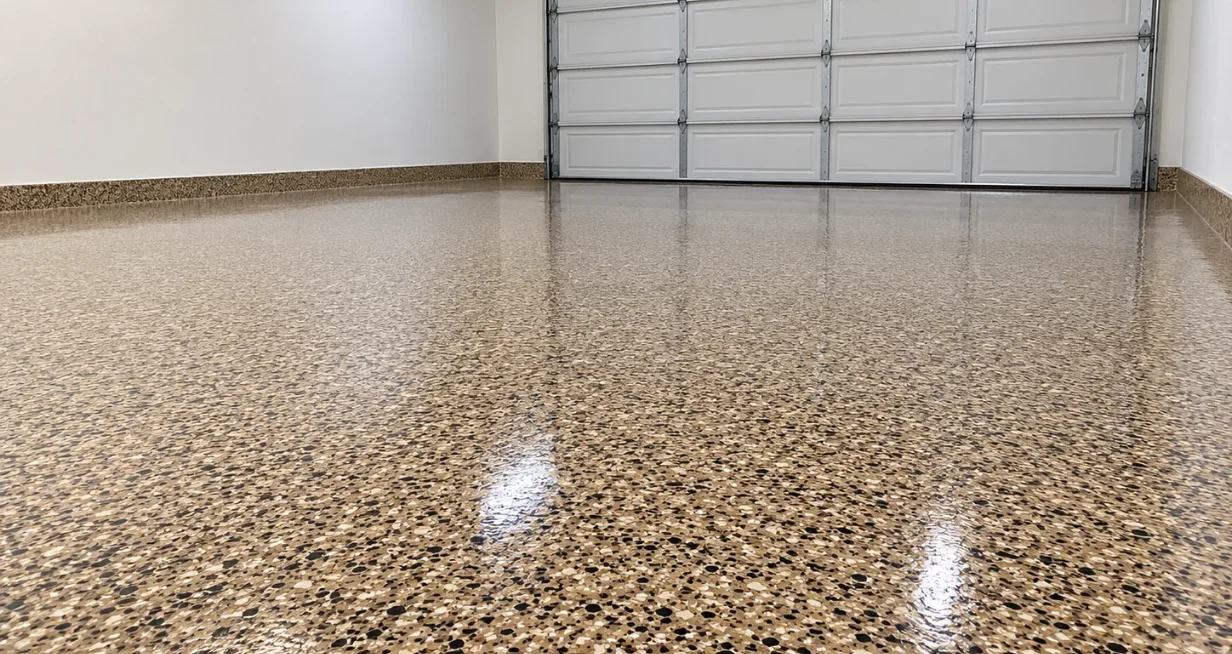
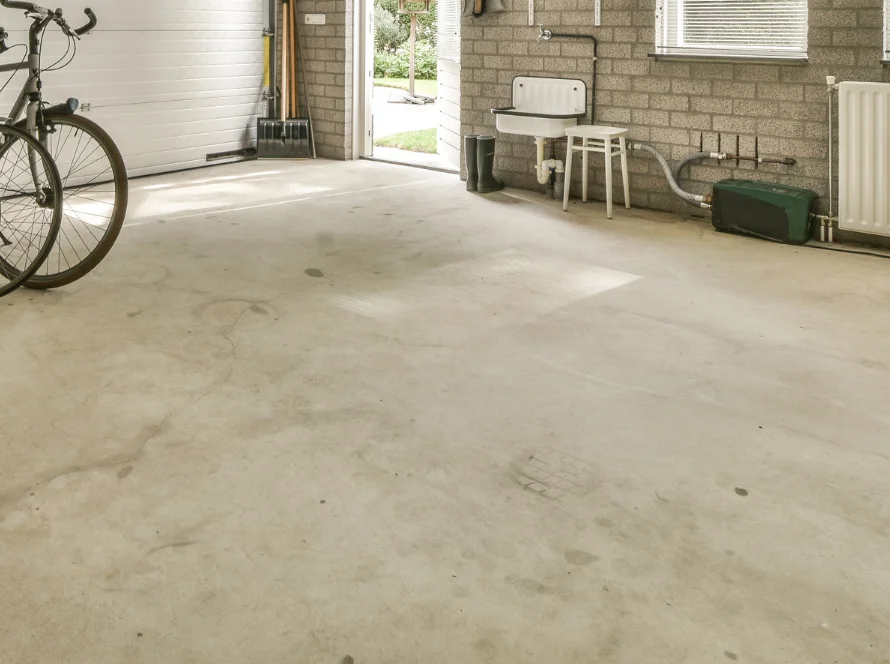
A bare concrete garage floor is porous by nature, which means it absorbs everything that touches it - oil, road salt, antifreeze, tire residue - and holds onto those stains permanently once they soak in. An epoxy coating garage floor system seals that porosity entirely, creating a hard, seamless surface that chemicals and moisture sit on top of instead of sinking into. That single change is the difference between a garage floor that looks worse every season and one that wipes clean in minutes.

Most garage floor failures in this region trace back to the same root cause: repeated freeze-thaw cycling combined with de-icing salt tracked in on tires and boots all winter long. Salt accelerates the freeze-thaw damage already occurring in unsealed concrete, and over several winters that combination produces the pitting, surface dusting, and spalling so common in uncoated Chicago-area garages. Homeowners throughout Chicago and suburbs like Naperville, Schaumburg, and Evanston are increasingly coating garage floors specifically because that exposure makes deterioration a near-certainty over time, not a maybe.

Beyond protection, a coated garage floor also changes how the space gets used day to day. A bright, sealed, easy-to-sweep surface makes a garage feel like usable square footage again rather than just a place to park and forget - which is exactly why so many of our garage projects turn into a workshop, gym, or storage upgrade once the floor is finally done right.

6 Reasons to Choose Altrus for Garage Coating

  • Built for Chicago winter conditions
  • Resists salt, oil, and chemicals
  • Seamless surface, easy to clean
  • Slip-resistant texture, even when wet
  • Brightens and transforms the space
  • Backed by a written warranty

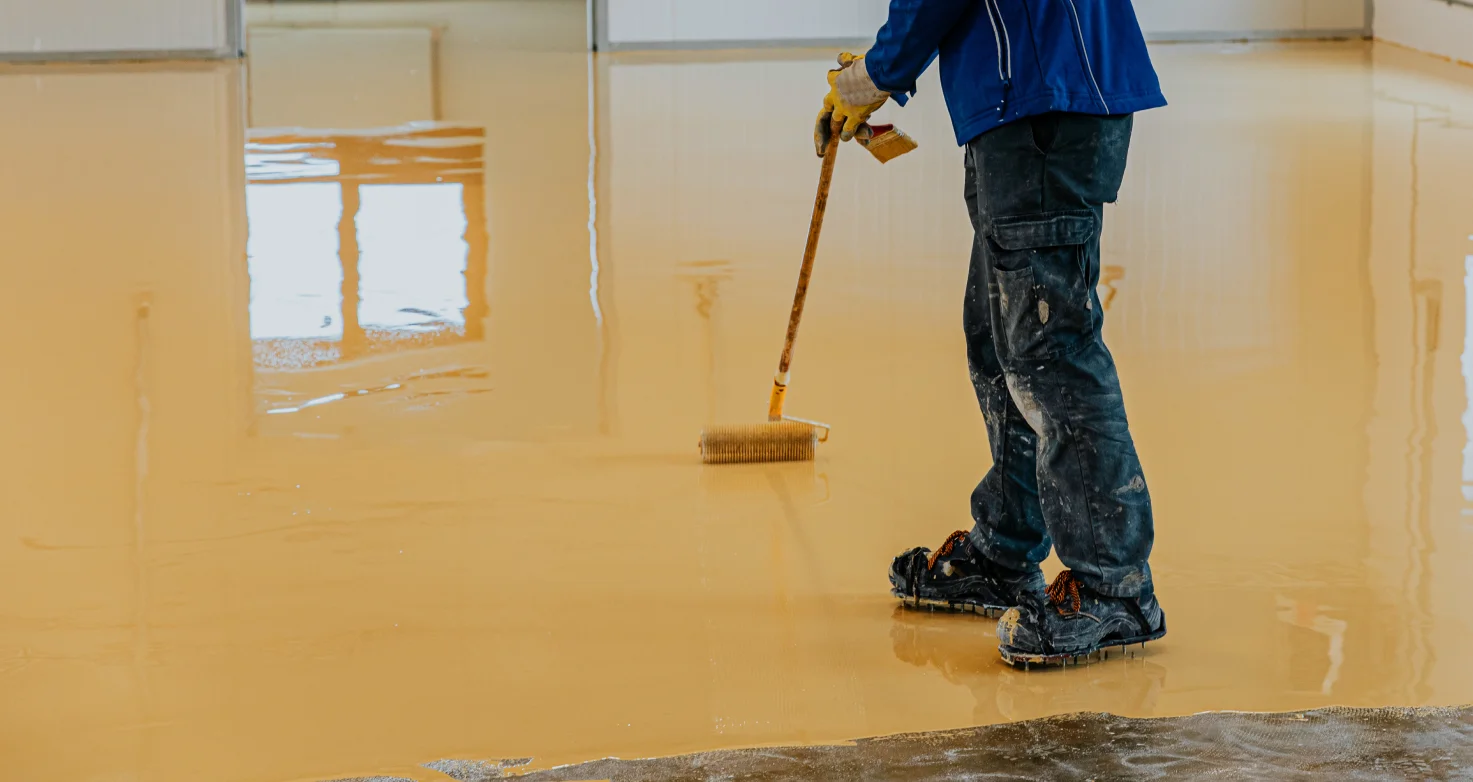
Our 6-Step Garage Coating Process

  • On-site slab assessment
  • Moisture and condition testing
  • Diamond grinding surface preparation
  • Crack and joint repair
  • Base coat and aggregate broadcast
  • UV-stable, sealed topcoat
847-770-5278
ADVANTAGES

4 REASONS TO CHOOSE ALTRUS

Homeowners across Chicago and the North Shore choose Altrus because we specify every garage floor for the conditions it actually faces, not a generic one-size-fits-all product. Here's what that looks like in practice.
01
Local crews who know Chicago winters
02
Coatings tested for salt and chemical exposure
03
Site assessment before every project
04
Written workmanship and material warranty

Why Garage Floor Coating Is Worth It in This Climate

A garage floor coating pays for itself in problems it prevents rather than features it adds, and that math is especially true in Chicago. The average homeowner here parks two vehicles tracking in road salt, slush, and de-icing chemicals for roughly five months of the year, and every one of those compounds is corrosive to bare concrete. Without a sealed surface, that exposure works its way into the slab and accelerates the same freeze-thaw deterioration that already threatens unprotected concrete throughout the Midwest.

Coated floors also solve a problem most homeowners don't think about until it's already happened: oil and fluid stains that set permanently into porous concrete. Once a coating is in place, those same spills wipe up in minutes instead of becoming a lasting blemish. For garages used as a workshop, home gym, or general storage space, that durability matters even more, since the surface takes on far more daily wear than a floor used strictly for parking.

Epoxy vs. Polyaspartic for Chicago Garages

Two systems dominate garage floor coating conversations, and the right one depends on how fast you need the garage back in use and how much UV exposure the space gets through an open door or windows. Epoxy coating garage floor systems remain the most common choice for standard residential garages - they're durable, cost-effective, and perform reliably in a fully enclosed space with limited direct sunlight. The tradeoff is cure time: a full epoxy system typically needs several days before it can handle vehicle traffic.

Polyaspartic systems cure dramatically faster, often ready for light use within 24 hours, and hold up better against UV yellowing if your garage gets regular sun through the door opening or windows. They also tend to be more flexible, which gives them an edge in garages that see significant temperature swings between a heated interior and a frozen driveway just outside.

Neither system is automatically the better choice - it depends on your specific garage, how it's used, and how much downtime you can accommodate. We walk through that tradeoff during the same site visit where we test the slab's condition, so the recommendation is based on your garage rather than a default sales pitch.

What Actually Causes Garage Floor Damage in This Region

Most garage floor problems we get called out for trace back to one of three causes, and all three are preventable with the right coating. Road salt and de-icing chemicals are the biggest culprit - they're corrosive to bare concrete and accelerate the same freeze-thaw breakdown that already threatens unsealed slabs through a Chicago winter. Oil, antifreeze, and other automotive fluids are the second major factor, since porous concrete absorbs them permanently rather than letting them wipe away.

The third cause is simply age and use without protection. Concrete that's never been sealed gradually develops surface dusting, hairline cracking, and a rougher texture that traps dirt and grime more easily every year. None of these problems require replacing the slab - they require sealing it properly before the damage progresses further, which is the entire purpose of a correctly specified coating system in the first place.

Other Altrus Services Across Chicago and the North Shore

A garage floor is often just the starting point for homeowners and businesses tackling concrete throughout their property. Altrus also installs decorative metallic epoxy floor finishes for homeowners who want a showroom-quality look rather than a standard flake or solid-color surface.
Along with commercial-grade polyaspartic coatings for garage floors for shared and multi-level parking structures that need to handle constant vehicle traffic. If your project spans more than one space, we coordinate the assessment and installation together rather than treating each surface as a separate job.

Serving Garage Floors Throughout Chicago and the North Suburbs

Altrus installs garage floor coating throughout Chicago and the North Shore suburbs, including communities like Aurora, Naperville, Schaumburg, and Evanston. Winter severity and road-salt exposure vary slightly across this footprint depending on proximity to major roadways and how aggressively a given municipality treats its streets, which is part of why we assess every garage individually rather than applying a single regional standard.
A garage near a heavily salted arterial road faces a different exposure profile than one on a quiet residential street a few towns over.

Homeowners searching for epoxy garage floor in Aurora throughout this area can request an on-site assessment directly with our team, with no obligation attached to the visit itself.

Keeping a Coated Garage Floor Looking New

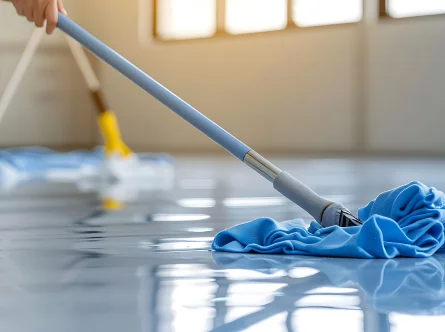
A coated garage floor needs very little ongoing maintenance, which is one of its biggest advantages over bare concrete. Routine sweeping or a quick rinse with a garden hose handles most dust and debris, and any oil or fluid spill wipes up easily since it never has the chance to soak into the surface. Avoid parking on the floor with a vehicle that's still dripping fresh sealant or undercoating residue until it's had time to dry, since heavy chemical concentrations sitting in one spot for hours can stress even a properly cured topcoat over time. Beyond that, an occasional mop with a mild detergent keeps the surface looking like it did on install day for years.

Garage Coating That Matches How You Actually Use the Space

Garages rarely stay just a place to park. Many turn into workshops, home gyms, overflow storage, or weekend project space, often all within the same four walls. A correctly coated floor holds up under that mixed use without showing wear from rolling tool chests, dropped equipment, or stacked storage bins. The seamless surface also makes it dramatically easier to keep a multi-purpose garage clean, since dust, sawdust, and tracked-in debris sweep up in seconds instead of working into porous concrete.
FAQ

Garage Floor Coating FAQ

How long before I can park in my garage after coating?
It depends on the system used. Epoxy typically needs a few days before vehicle traffic; polyaspartic can often handle light use within about 24 hours.
Will the coating crack in cold Chicago winters?
A correctly installed system is designed to flex with temperature changes rather than crack. This is one of the main reasons proper surface prep and product selection matter so much in this climate.
Does garage floor coating help with road salt stains?
Yes, sealing the concrete prevents salt and de-icing chemicals from soaking into the slab, which is one of the most common causes of garage floor damage we see locally.
Can this be installed over an old, cracked garage floor?
In most cases, yes. Cracks and joints are repaired during surface preparation before any coating is applied, which is a standard part of every project.
Is epoxy or polyaspartic better for a two-car garage?
It depends on your timeline and sun exposure. Polyaspartic cures faster and resists UV better; epoxy is a reliable, cost-effective choice for fully enclosed garages.
Will the floor be slippery when wet from snow or rain?
No, every garage coating we install includes a slip-resistant texture in the topcoat specifically because Chicago garages deal with tracked-in snow and slush for months at a time.
Do you coat garages used as workshops or home gyms?
Yes, frequently. These multi-purpose spaces are some of the most common projects we handle, since the coating needs to withstand both vehicle traffic and heavier daily use.
TESTIMONIALS

Clients Share Their Experience Working with Altrus

We invite you to browse through our reviews and see firsthand experiences from our satisfied clients. Your trust is our priority, and these testimonials reflect our commitment to outstanding warehouse floor coating results.
Anna K.
Our salon needed new flooring, and their salon & spa floor coating in Schaumburg, IL turned out perfect. Clean and professional.
Emily S.
ALTRUS installed a metallic epoxy floor in our home gym—honestly looks like a showroom now. Very happy.
David L.
Great experience with their patio concrete coating in Elgin, IL. The outdoor area looks fresh and feels much safer.
Jessica R.
We upgraded our basement with an epoxy basement floor in Addison, IL, and it completely changed the space. Highly recommend!
Mark T.
Had ALTRUS do my garage floor covering epoxy in Deerfield, IL, and it looks amazing. Clean finish and super easy to maintain now.
Looking for a Garage Floor Coating Company?
Contact our team of on-site specialists for all your needs