Trusted Team

Local Professionals

Epoxy Surface Preparation in Chicago North Suburbs, IL

An epoxy floor is only as strong as the surface under it. Before any coating goes down, ALTRUS tests, grinds and repairs the concrete, then cleans, re-sands and seals the pavers around it. That is how we start every project in Vernon Hills and the Chicago North Suburbs.
GET A FREE QUOTE

Why Concrete in the Chicago Area Needs Careful Prep Before Epoxy

What Surface Preparation Changes for an Epoxy Floor
Why It Matters More After Chicago Winters
An epoxy coating does not stick to concrete the way paint sticks to a wall. It bonds into the pores of the slab, and it can only do that when the surface is clean, dry, rough and free of old sealers. Oil, dust or a glossy old coating left in place becomes the weak layer that lets the new floor peel.

The Great Lakes region averages about 42 freeze-thaw cycles a year, according to the Great Lakes Integrated Sciences and Assessments program. Each cycle works water into hairline cracks and open joints and widens them. Road salt dripping off cars soaks into bare garage slabs, and older basements push moisture vapor up from below. By the time a homeowner calls about a coating, most slabs carry several of these problems.

Outdoors, the same winters wash the sand out of paver joints and leave moss and white haze on the stones. If the pavers around a new patio or pool deck coating are left that way, they shed grit onto the fresh surface and make the finished area look half done. Preparation fixes both: the slab that gets coated and the pavers that sit next to it.

6 Reasons to Let ALTRUS Prepare Your Surface for Epoxy

  • Stronger Coating Bond
  • No Peeling Later
  • Moisture-Safe Basements
  • Cracks Fixed First
  • Pavers Match Coating
  • Weather-Smart Scheduling

Our 6-Step Process to Get Your Floor Ready for Epoxy

  • Site Assessment
  • Moisture Testing
  • Deep Cleaning
  • Diamond Grinding
  • Crack Repair
  • Paver Sand & Sealer
847-770-5278
ADVANTAGES

What Makes ALTRUS Floor Prep Different

Most coating failures trace back to the surface, not the product. This is the part of the job we never rush.
01
Moisture Checks Before Grinding
02
Old Layers Fully Removed
03
Slab and Pavers Together
04
Booked Around Dry Weather

How We Prepare Garage and Basement Concrete Before Epoxy

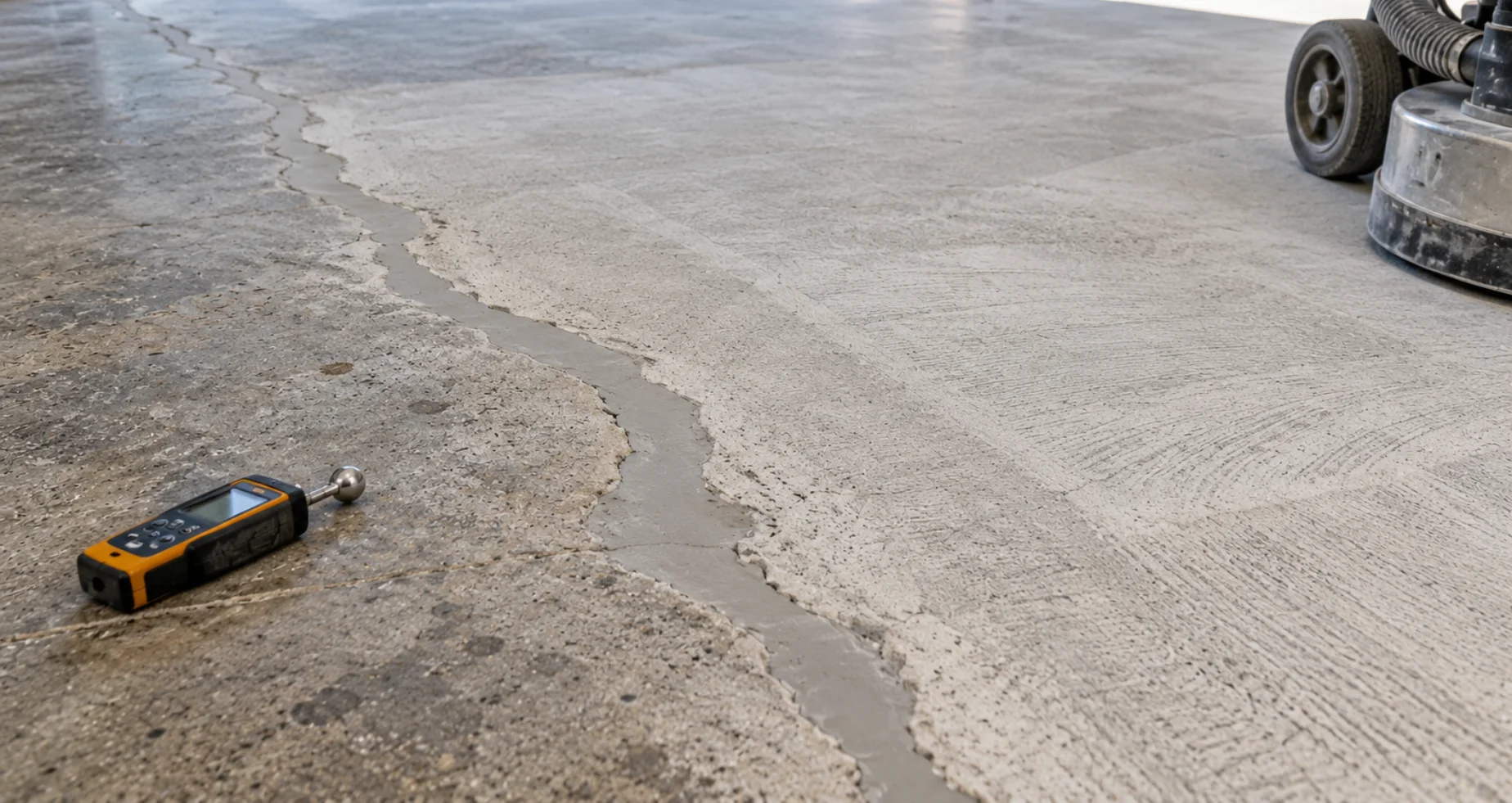
Every indoor slab starts with a moisture check, using methods based on ASTM F1869 (calcium chloride) or ASTM F2170 (relative humidity). High readings call for a moisture-mitigating primer, which matters most on basement floors. Next, oil, transmission fluid and tire marks are lifted with degreasers, and any peeling paint, worn epoxy or old sealer is removed down to bare concrete.

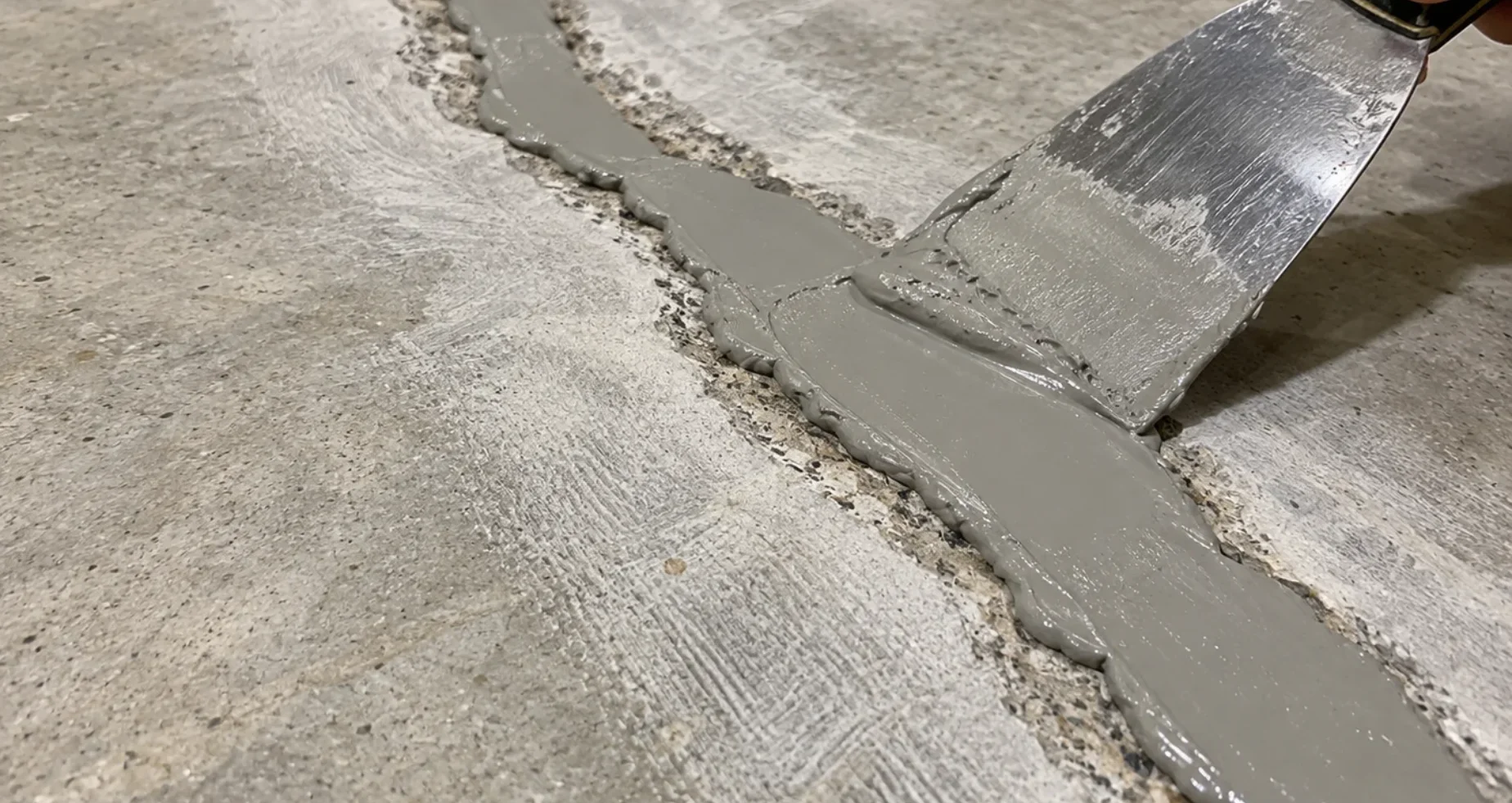
Diamond grinding then opens the pores and leaves the rough profile an epoxy concrete coating needs, usually CSP 2–3 on the International Concrete Repair Institute scale. Cracks are routed and filled, spalled edges are patched, and the slab is vacuumed so no fine dust stays under the primer. It is the same preparation behind our garage floor coatings and basement floor coatings.

How We Prepare the Pavers Around Your Patio

Outdoor projects rarely stop at the slab. A coated patio or pool deck usually meets paver walkways, borders and steps, and those areas get prepared alongside it. We start with a full paver cleaning that lifts dirt, moss, algae, oil drips and efflorescence, the white chalky haze that rises out of concrete pavers in spring.

Next, old sand, weeds and debris come out of the joints. We sweep in polymeric sand, compact it and activate it with a light mist, so the joints set firm, resist weeds and ants, and stop washing grit onto the coated surface next to them.

Once the joints have cured, a protective sealer goes over the pavers. It slows water absorption, makes stains easier to clean and brings back color depth, so the old pavers and the new coating read as one finished space. The sealer stays on the pavers only: epoxy and patio and outdoor concrete coatings always go onto bare, ground concrete, never over a sealed surface.

What Happens When Epoxy Goes Over an Unprepared Surface
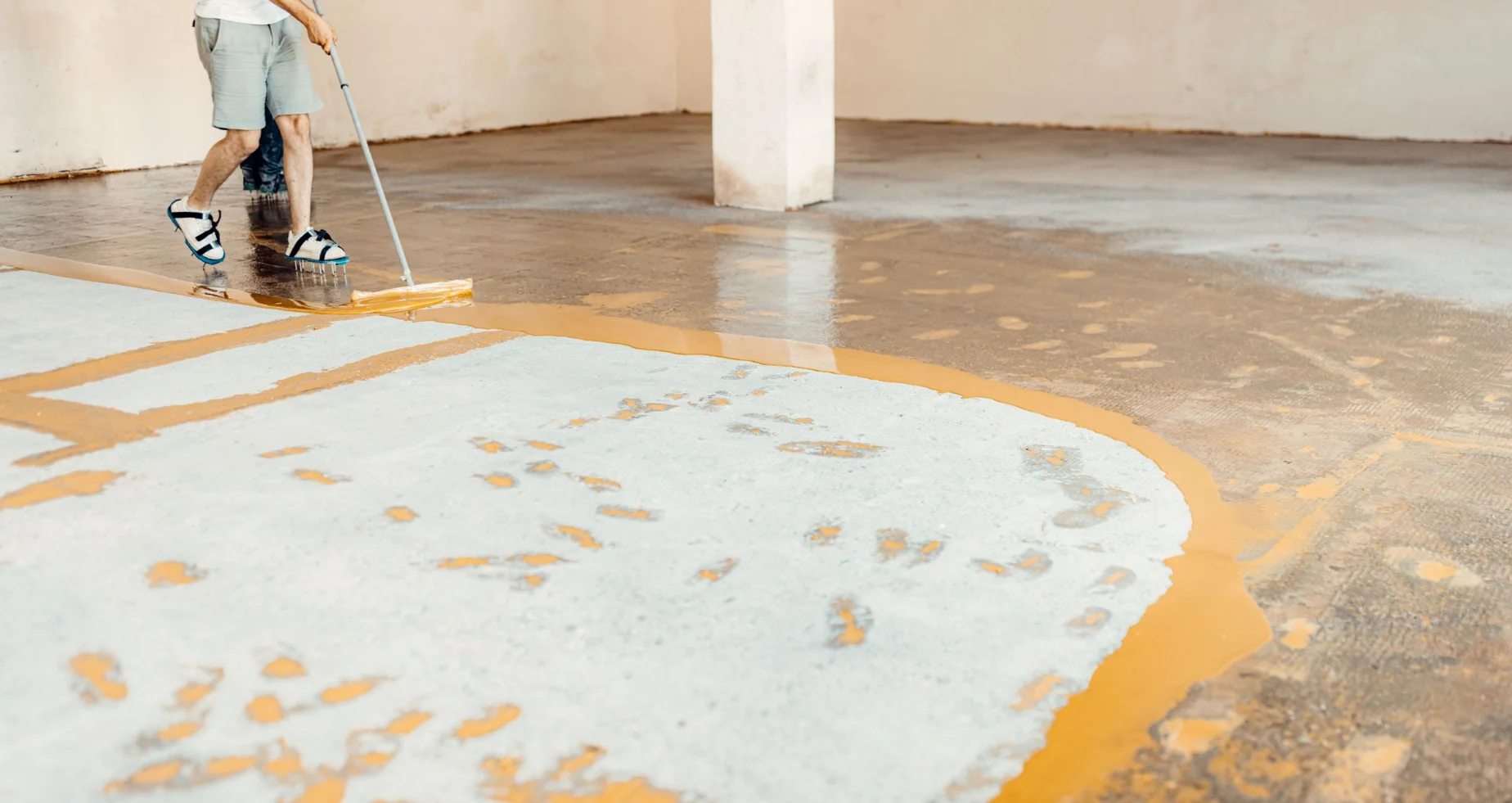
Coatings that fail early almost always fail at the surface. A slab that was only acid-washed or rolled lets the epoxy peel in sheets under hot tires. Untested basement slabs push moisture up and raise bubbles and blisters. Oil and salt left in the concrete show up as dark spots that lift first, and cracks coated over instead of repaired reappear in the new floor within a season.

Outside, washed-out paver joints next to a new patio coating keep shedding sand and grit that scratches the fresh surface. Fixing any of these means grinding the failed coating off and starting again, which costs more than preparing the surface properly the first time. If your current floor already shows these signs, our epoxy garage floor resurfacing starts with full removal of the old layer.

Coating Systems That Start With Proper Preparation

A prepared slab is ready for any of our systems. Fast-curing polyurea garage coatings suit garages that need to be back in use quickly, while a metallic epoxy floor turns a basement or showroom into a decorative space.
For surfaces that need grip, a textured quartz broadcast system or a pool deck coating works well on steps, patios and wet areas. Commercial clients use the same preparation before warehouse floor coatings.

Epoxy Floor Preparation Across Chicago and the North Suburbs

Our crews work out of Vernon Hills and prepare surfaces across Lake County, the northwest suburbs and DuPage County.

Older homes in Barrington and Riverwoods often have patios and walks under mature trees, so moss and washed-out paver joints are the usual starting point. Garage slabs in Vernon Hills and Aurora tend to show more road salt damage and oil staining.
If you are looking for an epoxy floor installer near me who handles the prep as well as the coating, call 847-770-5278 and we will schedule a site assessment.

How Long Surface Preparation Takes

On a typical two-car garage, testing, grinding and repairs fit into the first day of the project, and the coating follows. Basements with high moisture readings, thick old coatings or many cracks take longer. Outdoor paver work depends on the weather, because polymeric sand and sealers need dry days to cure, so we give you the full schedule after the site assessment.

Getting Your Garage or Patio Ready Before We Arrive

Clear the floor completely, including shelving that sits on the slab, and park cars outside for the length of the project. On patios, move furniture, grills and planters off the pavers and turn off sprinklers that reach the work area, since water in the first days after sanding and sealing can undo the work. If you know of old repairs, leaks or spots where water collects, point them out during the site walk so we can plan for them.
FAQ

Epoxy Surface Preparation FAQ

Who does surface preparation for epoxy floors in Vernon Hills, IL?
ALTRUS prepares and coats garage, basement, patio and commercial floors in Vernon Hills and across the Chicago North Suburbs. Testing, grinding, repairs and paver work are done by our own crew. Call 847-770-5278 for a free on-site estimate.
Do you have to grind concrete before epoxy?
Yes, in almost every case. Grinding removes the weak top layer and old sealers and opens the pores so epoxy can bond; acid etching or a quick clean is not enough for a garage that sees hot tires and road salt.
How much does surface preparation for an epoxy floor cost?
It depends on the size of the slab, how many cracks need repair, whether an old coating has to come off, and how much paver area is included. After a free on-site assessment in Vernon Hills or nearby, you get one written estimate that covers both the preparation and your garage floor coating or other system.
Can epoxy go over cracked concrete?
It can, once the cracks are repaired first. We route and fill cracks and patch spalled edges during prep, otherwise the cracks show through the new floor within a season.
Why clean and seal pavers before an outdoor coating project?
Pavers next to a new patio or pool deck coating should match it and stay stable. Clean pavers with firm polymeric sand joints and a fresh sealer stop sand and grit from washing onto the coated surface and make the whole area look finished.
TESTIMONIALS

Clients Share Their Experience Working with Altrus

We invite you to browse through our reviews and see firsthand experiences from our satisfied clients. Your trust is our priority, and these testimonials reflect our commitment to outstanding warehouse floor coating results.
Secret Link